


Choose workwear according to the tasks, movement and conditions involved. Warehouse, service and hospitality teams do not all need the same clothing. This category includes different types of shirts, trousers, sweatshirts, jackets and bodywarmers, along with work accessories. Fit, comfort throughout a shift and suitability for everyday use are important selection criteria.
For a coordinated team look, it also matters how garments work together. When ordering for a business, compare practical details, care requirements and the possibilities for adding a logo to suitable textiles, as well as colours and sizes.
Subcategories


Need help choosing?
Send us an inquiry about quantity, personalization or choosing a suitable product.
What belongs in a workwear outfit?
Trousers, jackets and bodywarmers
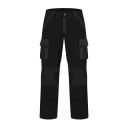
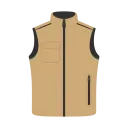
When a job involves frequent movement or carrying tools, pocket layout, an adjustable waistband and any reinforcements can matter. Compare cuts among work trousers according to the actual tasks, and always check the stated features of each model. For changing temperatures, combine upper layers with workwear bodywarmers or a jacket. A bodywarmer leaves the arms free, while a jacket also covers the shoulders and arms.
T-shirts, polo shirts and tunics
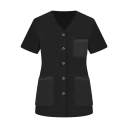
A T-shirt can serve as a simple base layer, while a polo shirt offers a slightly smarter appearance for customer-facing roles. Work tunics have a different cut that should be assessed against the work involved and the fit required. When comparing products, review fabric composition, care instructions and size measurements rather than relying only on the photo or model name.
Choosing for workload, weather and safety
Freedom of movement, layering and sizing
For physical jobs, check whether the cut allows bending, lifting and working with raised arms. Layering is useful in colder environments because workers can adjust clothing to temperature and activity. Only rely on wind or rain resistance where it is stated for the individual product. Compare sizes using the chart for the chosen model; the same letter size does not guarantee the same fit across different cuts.
Reflective details and protective clothing
If the workplace requires high visibility or other personal protective equipment, start with the risk assessment and check the product markings and documentation. Safety vests are a useful subcategory to explore for this purpose, but a reflective detail on ordinary clothing is not, by itself, evidence that the garment meets protective requirements.
Branding workwear for businesses
Suitable textiles may be personalised using methods such as machine embroidery, DTF or direct screen printing. The material, artwork, quantity and branding position determine which methods are feasible and appropriate. For shirts, you can also explore T-shirt printing for businesses; the suitability of each workwear model must be assessed separately.
Pockets, seams, zips and garment shape influence logo placement. Where clothing serves a safety function, the possible effect of branding on compliance and visibility must also be checked. Gajcom can help review artwork and agree on the size and position of branding; the actual work is confirmed for each order.
Explore more
Frequently asked questions
Can different departments choose different types of clothing?
Yes. First define the tasks performed by each group, then coordinate the colours and select cuts suited to each role. Availability of specific models and sizes is checked when ordering.
What details should we prepare for a team quotation?
Useful details include approximate quantities by model and size, preferred colours, intended use and your logo artwork. If you want branding, also indicate the proposed positions and dimensions of the design.
How do we choose between an embroidered and a printed logo?
Embroidery and printing create different appearances. The fabric, level of detail in the artwork, position and quantity all influence the choice, so both methods must be assessed for the selected textile.
What should we consider when washing clothing with reflective parts?
Follow the care labels and the manufacturer’s instructions for the individual item. For protective clothing, pay particular attention to maintenance limits and the condition of reflective areas, as wear or incorrect care can reduce their effectiveness.