


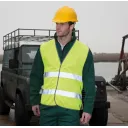
Safety vests help improve visibility at work, on the road and during organised activities. The listed models include basic high-visibility vests, summer mesh versions, children’s vests and a model for motorcyclists. Start by deciding who will wear the vest, in what conditions and over which clothing.
Colour and appearance alone are not enough. Proper sizing, the placement of reflective elements and documented compliance of the specific model with the intended use all matter, especially where personal protective equipment is required.


Need help choosing?
Send us an inquiry about quantity, personalization or choosing a suitable product.
Choose according to the wearer and conditions
Basic and summer models
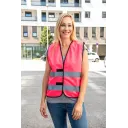
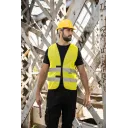
For occasional identification of participants or staff, a basic safety vest may be a useful starting point. Where a vest is worn in warm conditions or for extended periods, compare a summer mesh version as well. Mesh construction may improve airflow, but it does not establish the level of protection. For each model, check the cut, fastening, material information and suitability for the actual conditions of use.
Children’s versions and vests for motorcyclists
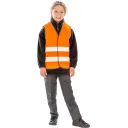
For group activities involving children, compare purpose-designed sizes, such as this children’s safety vest. The fit should allow the child to move freely. For motorcycle use, the active range also includes a vest for motorcyclists; check how it fits over motorcycle gear and the manufacturer’s stated intended use. Children’s, motorcycle and general-purpose models are not automatically interchangeable.
Visibility and documentation: what should you check?
Colour and reflective elements alone do not establish a protection level or suitability for a particular purpose. Before choosing, check the current markings, instructions and manufacturer documentation for the specific model against the intended use. A standard mentioned in a catalogue name is not a substitute for this check. For use as protective equipment, have suitability confirmed by the responsible qualified person.
Fit, use and branding
The vest should fasten properly and allow movement over the clothing with which it will actually be worn. A vest that is too small may fit incorrectly; one that is too large may hinder work or movement. Before adding a logo, the material, suitable placement and potential effect on visible or reflective areas must be checked; personalisation must not compromise the required protective function. For coordinated team clothing, you can also explore other workwear. When making an enquiry, specify the intended use, sizes, quantity and any artwork.
Explore more
Frequently asked questions
How do I choose a size to wear over a jacket?
Consider what you will wear underneath and use the specific manufacturer’s size chart. Check that the vest closes correctly and that reflective areas are not unnecessarily covered during movement.
Can a small adult vest replace a children’s vest?
Do not assume so. Choose children’s versions based on the child’s measurements, intended use and manufacturer’s markings. A smaller adult size does not, by itself, demonstrate suitable fit or an equivalent scope of use.
Is every reflective vest suitable for working near traffic?
Not necessarily. Required equipment depends on workplace risks and applicable requirements. Check the documentation and class or type of the particular vest, not merely whether reflective strips are present.
How can I maintain a vest’s visibility in use?
Follow the manufacturer’s instructions for washing, drying and storage. Dirt, damage or wear to fluorescent material and reflective elements can reduce visibility. Inspect a damaged vest and replace it when necessary.