


The printing accessories in this category focus on weeding cut film: removing unwanted material around a design. Tools differ in tip shape and additional features, so the right choice depends on the detail of the cut and how you prefer to work.
A fine gripping tip can help with small pieces, while an illuminated hook gives a better view of the working area. Match the tool to the film and complexity of the design.


Need help choosing?
Send us an inquiry about quantity, personalization or choosing a suitable product.
Illuminated hook or conventional weeding tool
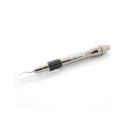
The SA466 LED weeder has a curved metal tip with LED lighting and an ergonomic plastic handle. The light sits close to the tip, making the film easier to see while removing excess material from a cut design.
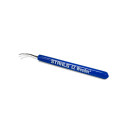
The SA463 weeding hook also uses a curved tip, but no lighting is specified. Its description covers removing flex and flock materials. For gripping small pieces instead, the range includes SA468 tweezers with a fine, curved tip.
Choose for the design and working method
On larger sections, controlling the film removal is important; with fine detail, tip shape and visibility become more relevant. A hook and tweezers work differently, so compare how each grips or reaches small cut pieces. Find related items under GAJCOM printing materials.
If you need help selecting an accessory for a particular process, send an enquiry with the film type and a description of the design. This provides a useful basis for discussing the appropriate tool.
Explore more

Frequently asked questions
What does the LED on a weeding hook do?
On the SA466 it illuminates the area beside the curved tip, improving visibility during film removal. Lighting should not be assumed for the other models.
When are tweezers preferable to a hook?
The SA468 tweezers have a fine, curved tip for lifting flex and flock material. The choice depends on the cut shape and the handling that gives you better control.
Is every tool suitable for every type of film?
Check the film and the cut detail involved. The product descriptions establish certain uses but do not demonstrate universal compatibility with all films or materials.