


Chef hats are part of professional kitchen workwear, where comfort and keeping hair contained during food preparation matter alongside a neat appearance. When choosing headwear, consider its shape, fit and how it feels over a full working shift.
The category includes traditional chef hats, a beret-style model and a design with a mesh insert. One style will not necessarily suit every member of a catering team: the right headwear depends on the job, individual needs and the rules of the workplace.


Need help choosing?
Send us an inquiry about quantity, personalization or choosing a suitable product.
Different styles of chef hats
Chef headwear varies in shape and in how it sits on the head. This category includes models with different product names, so do not make your decision on the term “chef hat” alone. Check the photographs, description and available sizing details for each item.
Traditional hat and beret
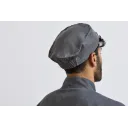
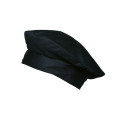
For a recognisable chef look, consider the Premier PR653 chef hat. Another option is the Luka KY096 beret. Compare which shape works better with the kitchen uniform and whether it keeps hair sufficiently contained when worn. The style alone does not establish compliance with a workplace’s hygiene requirements.
Style with a mesh insert
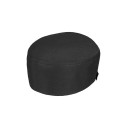
The Karlowsky KY136 with mesh insert is an option for anyone paying particular attention to headwear construction and ventilation. A mesh insert is a structural difference, not an automatic guarantee that the hat will suit every warm kitchen or every wearer. Fit, hair coverage and overall construction also matter.
What to check before ordering for a team
Kitchen headwear may be worn for long periods, so appearance should not be the only criterion. Comparing models becomes easier when you first establish what the hat needs to do during everyday work.
- Fit: check the sizes or adjustment method offered for the chosen model. The hat should stay in place when moving.
- Hair coverage: assess whether the shape contains hair for each hairstyle and role; use additional protection where required by the establishment’s rules.
- Care: check the care label and expected washing frequency. Do not assume a single washing temperature suits every model.
- Team consistency: coordinate the overall look without overlooking differences in size and comfort between employees.
Matching other hospitality workwear
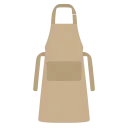
When planning a consistent look for a kitchen team, coordinate hats with aprons and chef shirts and trousers. A coherent style is useful, but the demands of the job and the correct fit of each item should come first.
If you want a logo or lettering on the hats, personalisation must be checked for the specific model, material, design position and quantity. Gajcom can help review the artwork and select an appropriate method where the item is suitable for decoration.
Explore more
Frequently asked questions
Does a chef hat always replace a hairnet?
Not necessarily. What matters is whether the chosen headwear effectively contains the wearer’s hair and meets the establishment’s hygiene rules. If a hat alone is insufficient, an additional hairnet or other restraint may be needed.
How should we choose hats for different head sizes?
First check whether the selected model comes in specific sizes or has an adjustment feature. Do not assume every model is one size fits all. Gather employees’ needs before deciding quantities for a team order.
Can every model be washed in the same way?
Do not infer this from the appearance of a hat. Check the care instructions and permitted washing temperature for each product; unsuitable cleaning may affect the shape or usefulness of the headwear.
What details should we provide when enquiring about branded hats?
Specify the chosen model, estimated quantity, preferred position and size of the design, and supply the artwork. This allows the suitability of decoration and the appropriate method to be assessed for the particular hat.