


Scarves for companies, clubs and teams differ in shape, material and how they are worn. The products shown include knitted and fleece scarves, a triangular scarf, a sports or team scarf, and a model described as an organic cotton scarf. Consider the season, comfort and the appearance you want when choosing.
If the scarf will be part of team clothing or a promotional set, also consider colour coordination and whether you want to add a logo. The decoration method must be checked for each model, material and design; not every method suits every scarf.


Need help choosing?
Send us an inquiry about quantity, personalization or choosing a suitable product.
How to choose the right type of scarf
For everyday wear, compare length, width, the feel of the fabric and how the scarf wraps around the neck. For team use, group identity and space for a design may matter more. The product name is only a starting point; check the actual dimensions and composition of the model you choose.
Knitted and team scarves
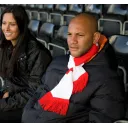
A knitted scarf is a classic choice when you want a more pronounced texture and a familiar winter-accessory look. One example is the Beechfield B500 knitted scarf. For events and supporter groups, the Result R146X sports or team scarf may be more relevant. Compare appearance, how each style is worn and its intended purpose, rather than relying on the name alone.
Fleece and triangular shapes
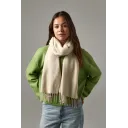
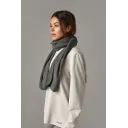
The material is clear from the name of the Beechfield B293R fleece scarf; check its thickness and feel against the skin before choosing. The Myrtle Beach MB 6524 triangular scarf has a different shape from long rectangular styles, so consider how you want to tie it. The category also includes a model described as organic cotton, but that composition should not be assumed for other scarves.
What to check before ordering
Size, fabric and intended use
For outdoor work or events in colder conditions, focus on how much of the neck you want covered and how the scarf works with a jacket or other clothing. For a lighter accessory or occasional use, less bulk and easy tying may be more important. Check each product’s details for composition, care, colours and dimensions; these cannot reliably be inferred from the category name.
Logo, lettering and placement
Printing or machine embroidery may be options on suitable textile models, but feasibility depends on the fabric structure, design size and decoration area. With knitted fabrics in particular, check how the motif will behave on a stretchy or textured surface. An artwork file, estimated quantity and information about how the scarf will be worn will help determine a suitable placement.
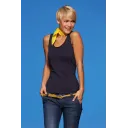
If you need a differently shaped accessory for the neck or head, also compare multifunctional bandanas. Their design differs from that of a traditional scarf, so compare how they are used and how much they cover, not just their appearance in photos.
Explore more
Frequently asked questions
Can a logo be added to a knitted scarf?
This depends on the specific model, the density and structure of the knit, the design size and the chosen method. Machine embroidery or another suitable technique can be assessed for an appropriate product, but no method can be guaranteed for every knitted scarf.
Can we choose several scarf styles for one team?
You can plan a mix of styles for different needs, but compare their shades, textures and intended decoration positions. The same design may not look identical on different fabrics; the exact execution needs to be agreed before ordering.
What information should we include in an enquiry?
Specify the selected models, approximate quantities, intended use, and the logo or lettering. The preferred size and position of the design are also helpful. This information makes it possible to assess decoration suitability and prepare a quotation for the specific order.
Can we review the artwork placement before production?
A graphic preview or layout for approval may be part of a personalised order. It is not automatically included with every order, so its availability and the next steps are agreed based on the selected scarf and the complexity of the design.