


Bandanas and multifunctional headwear differ mainly in shape and how they are worn. A classic bandana can be folded and tied, while a tubular neck gaiter can be worn around the neck, over the hair or as a headband. The selection also includes models intended for colder conditions.
For companies, clubs and teams, it is worth comparing comfort during the intended activity, fit for different users and branding options. Whether you are choosing items for an event, a sports group or a work team, practical requirements should come before appearance alone.


Need help choosing?
Send us an inquiry about quantity, personalization or choosing a suitable product.
Types of bandanas and ways to wear them
Classic bandana or scarf
Depending on its shape and size, a bandana can be folded and tied around the head or neck. Tying allows you to adjust the fit, although it takes a little more effort to put on than a tubular gaiter. For the Atlantis Bandana Goal, check the product description for its shape and how it is worn. When comparing products, check their dimensions and how the fabric will sit once tied.
Tubular and winter headwear
A tubular gaiter is usually slipped on without tying and may serve as a neck warmer, headband or head covering if its shape and size allow. One example is the Myrtle Beach MB 74 X-Tube. The range also includes the Myrtle Beach MB 7300 Winter Tube for colder conditions; the word “winter” alone does not establish a suitable temperature range. Check the individual product description before choosing.
What to consider when choosing for a group
Comfort, fit and season
Consider whether the headwear is for a short event or several hours of use. Relevant factors include how the fabric feels against the skin, dimensions, stretch in tubular styles and how tied bandanas stay in place; these details must be checked for each product. For outdoor use, also consider wind, activity and season. A bandana on its own is not evidence of specific weather resistance or protective performance.
Logo placement and branding
For branded teamwear, consider which part of the design will remain visible when the bandana is folded, tied or rolled. The branding method depends on the fabric, artwork, available area and quantity, and suitability must be checked for the chosen model. Gajcom can help coordinate the size and placement of the artwork and may provide a preview for approval where appropriate. The exact specification is confirmed in the quotation.
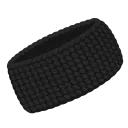
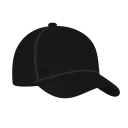
If the team only needs a narrow accessory around the forehead or hair, also compare headbands. If a visor above the eyes matters, caps with visors are a different option. This helps match the style to its actual purpose.
For an enquiry, prepare the expected quantity, chosen model, intended use and artwork. These details make it possible to check the proposed branding without assuming that every bandana is equally suitable.
Explore more

Frequently asked questions
Can one tubular gaiter be worn in several ways?
Usually, yes, although the options depend on the cut, length and stretch of the individual product. Before ordering for a group, check that the model is comfortable in the way most people are likely to wear it.
Can a winter bandana replace a hat?
It may cover part of the head or neck, but warmth and wind protection vary between models. Compare construction and specifications against the actual conditions and choose dedicated winter headwear if necessary.
Can a bandana replace a protective face mask?
An ordinary fabric covering is not, by itself, evidence of certified respiratory protection. For work requiring personal protective equipment or particular protective properties, choose a product with the appropriate documentation and markings.
How should a branded bandana be washed?
Follow the manufacturer's care instructions for the specific item and the guidance for the chosen branding method. Washing temperature, drying and ironing requirements may differ; do not assume all models need the same care.